Week 1 Toolbox Talks Site Survey


Being proactive on your worksite can help to achieve a workplace free of hazards. Taking accountability for a safe workplace keeps yourself and the team safe so you can enjoy your personal family activities. A site audit should be documented and turned into the General Contractor as well as VSC management.
Why are Site Audits Important?
- Hazard Identification: Uncover dangers before they lead to injuries or incidents.
- Incident Prevention: Regular inspections reinforce safety rules and help workers stay vigilant.
- Compliance: Ensure the worksite meets safety regulations and standards.
- Improved Safety Culture: Foster a culture where everyone is responsible for and engaged in safety practices
Common work area hazards include:
- Misplaced or broken tools and objects
- Faulty or unsafely operated equipment
- Too many people in the workspace
- Too few crew members in the workspace
- Environmental hazards
- Bad weather
- Fire hazards
- Electrical hazards
- Missing on incorrect labels
- Housekeeping issue
Remember it is important that we document any kind of site audits to ensure we can provide proof of this in the event of an OSHA inspection. Our internal VSC site safety audits can be accessed on the VSC safety webpage.
Week 2 Toolbox Talk- Fire Extinguisher Inspections

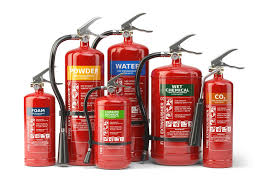
To keep a fire extinguisher in safe working order, you should periodically conduct inspections. Here are some tips for proper fire extinguisher inspection:
- The extinguisher should be checked for damage or malfunction by a worker every 30 days. There should also be a more thorough, documented inspection by a fire prevention specialist at least once a year.
- Check the pressure when inspecting the fire extinguisher. Every extinguisher should have a gauge that has an arrow measuring the pressure, and the arrow should be located within the green section of the gauge. If the arrow is in the red, the extinguisher needs to be flagged and put out of service until it has been recharged.
- Check to make sure the pin is still in place. Sometimes the pin can be bumped out of place, which increases the chance of an accidental discharge.
- Check for rust on the container and ensure the label is in good, readable condition.
Following these tips should ensure that the extinguisher in your work area will be ready in case of an emergency.
Fire extinguisher safety starts with you
In the case of a fire at work, it is important to know more than just where the extinguisher is located. Make sure you know how to properly use the extinguisher, know the limitations of the extinguisher, and know how to keep the extinguishers in good working order.
If you experience a fire at work, always notify your supervisor and the local fire department. Do not try to extinguish the fire if it is out of control, make sure you prioritize your safety.
Week 3 Toolbox Talk- Recognized Versus Unrecognized Hazards

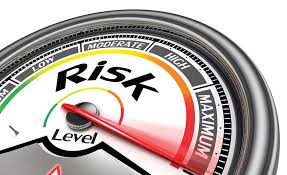
It’s important to be able to recognize hazards in the workplace. There are so many different hazardous situations that can present themselves, which is why it’s important to have training that enables you to recognize harmful situations. Just because you’ve worked at a company for several years doesn’t mean you’re at any less risk of encountering hazardous conditions. New employees are sometimes more aware than experienced ones because they’re often less complacent on the job.
The dangers of unrecognized hazards
Are you trained to recognize jobsite hazards? That is an important part of beginning a job with different harmful situations. Letting hazards go unrecognized can result in injuries or even fatalities. It is very important for the safety of yourself and your fellow employees to have the proper training to be responsible for the job. Often, when someone has been working the same job for many years, they get complacent. Usually not on purpose, but it can happen without you even realizing it. For the safety of everyone working, it is vital that you stay aware of the hazards that can occur. No matter how long an employee has been on the job, all hazards should be addressed.
The dangers of being complacent
There are many different dangerous situations that can happen on a construction site. Once you have attended safety training repeatedly, it becomes less effective on you. Long time employees become comfortable with the risks that their job possesses.
Injuries and fatalities are two of the main hazards that can happen. In a time crunch, corners may be cut. However, it just takes one time for that hazardous condition to lead to an incident.
Some of these examples include but not limited to:
- Slips, Trips and Falls
- Loud Noises
- Collapsing structures
- Heavy equipment and moving vehicles
- Electrocution
Week 4 Toolbox Talk- Rationalizing Unsafe Choices


To keep everyone safe at work, you need to make safe choices. For many, following protocol and safety precautions can be difficult. Not because they’re stubborn or want to break the rules, but because they may feel they can get things done faster another way.
Safety rules and precautions are put into place for a reason, and they need to be always followed to the best of your ability. Making excuses and taking shortcuts doesn’t help anyone and sets a dangerous precedent for other workers on the jobsite.
Reasons we rationalize unsafe choices
There are many reasons people chose to perform a task in a different way than has been advised. You may think that you can do it faster if you skip a step or two. One of the most common things that can happen is an employee forgetting to use protective gear while performing a task. Let’s discuss some of the many reasons employees try to rationalize their unsafe choices.
Mood: Everyone experiences different moods, and it can sometimes affect the way they perform on the job. You may not be feeling super productive or on top of it one day, but that isn’t a reason to cut corners and use unsafe practices. It could create unsafe conditions for you or those around you.
Lack of supervision: When supervisors, managers, or the person in charge are not around, people may try to cut corners. This is a big mistake. Regardless of whether or not your supervisor is around, all safety rules and precautions should be followed.
Lack of rule enforcements: In a job that you have worked on for a long time, it becomes easy to relax enforcement of protocols and regulations. You may feel that you are comfortable on the job and know what you are doing. If your supervisor or manager is not enforcing rules, it does not mean that it is okay to break them.
Time pressure: Cutting corners due to a time crunch can only result in problems. It will lead to mistakes being made and things going wrong. All safety rules and regulations are put into place for a reason and should always be followed.
It is important you do the right thing even when no one is looking as it could be you last time preforming those tasks.