
Week 1 Toolbox Talks Electrical Safety


On the construction site, there are many different hazards that pose a threat to your safety and the safety of those around you. With so much to worry about, It can be easy to overlook the seemingly “smaller” risks, like extension cords. But if not handled properly, extension cords can cause serious injury.
Here are some relevant injury statistics pertaining to extension cords:
- About 4,000 injuries resulting from extension cords are treated in hospital emergency rooms each year. Not all are electrical injuries. Half of these injuries involve fractures, lacerations, contusions, or sprains from people tripping over extension cords.
- Roughly 3,300 home fires originate from extension cords each year, killing 50 people and injuring about 270 more.
Extension and electrical cord safety tips
- Here are some additional safety tips for working with extension cords or electrical cords:
- Use extension cords only when necessary and only on a temporary basis. Do not use extension cords in place of permanent wiring.
- Do not remove the prongs of an electrical plug. If plug prongs are missing, loose, or bent, replace the entire plug.
- Do not use an adapter or extension cord to defeat a standard grounding device. For example, only place three-prong plugs in three-prong outlets, do not alter them to fit in a two-prong outlet.
- Use extension cords that are the correct size or rating for the equipment in use. The diameter of the extension cord should be the same or greater than the cord of the equipment in use.
- Only use cords rated for outdoor use when using a cord outside.
- Do not run cords above ceiling tiles or through walls.
- Keep electrical cords away from areas where they may be pinched and areas where they may pose a tripping or fire hazard (e.g., doorways, walkways, under the carpet, etc.).
- Always inspect the cord prior to use to ensure the insulation isn’t cut or damaged. Discard damaged cords, cords that become hot, or cords with exposed wiring.
- Never unplug an extension cord by pulling on the cord; pull on the plug.
- In locations where equipment be pushed against an extension cord where the cord joins the plug, use a special “angle extension cord” specifically designed for use in these instances.
Week 2 Toolbox Talk Report All Injuries

Have you ever gotten injured on the job? Did you report it? Often, minor injuries that can be remedied with a simple first aid kit don’t get reported. There are many valid reasons that your work needs you to report these instances and even near-misses. All employees should better understand the importance of reporting so they’re more likely to notify the necessary stakeholders when an incident or near-miss occurs.
The importance of making incident reports
Reporting is important for present issues as well as potential future ones. You may feel that reporting an incident and filling out the necessary paperwork is a hassle, but it could be what needs to be done to fix the hazardous condition that caused the incident. When injuries occur while you are working, it brings awareness to the people in charge as well. They can take note of hazardous conditions that need to be addressed. That may mean bringing it to other people’s attention so that no one else gets hurt, or to resolve a problem.
What happens if I don’t report an injury
You can’t get into trouble for not reporting an injury while on the job. But it can cause problems if you need to seek medical attention outside of basic first aid. If there isn’t an incident report on record, then you could be denied coverage for medical services.
Why near misses need to be reported
Many people don’t know why near-miss incidents should be reported. You weren’t actually hurt, so why should you make a report? Near-miss incidents are a learning experience. Just because it nearly missed you, doesn’t mean it will for the next employee.
The right measures can be made to eliminate the hazard so it doesn’t happen again. You can also bring it to the team’s attention so injuries don’t actually occur. An incident occurring is often what it takes to make everyone take a situation seriously.
Week 3 Toolbox Talks Cold Stress


Construction workers who work in cold weather or cold environments are at risk of suffering from cold stress. What is considered “cold” is relative depending on the region of the country where you work and the tolerance of each individual worker. In regions unaccustomed to winter weather, near-freezing temperatures can lead to cold stress, even without snow and ice. Each working environment should be analyzed individually so the proper steps can be taken to keep workers warm and safe.
What is cold stress?
Cold stress is a condition that occurs when the body can no longer maintain a normal, healthy temperature. When left untreated, cold stress can result in injuries leading to permanent tissue damage or even death.
Hypothermia
Hypothermia is a condition that develops when an individual experiences dangerously low body temperature, below 95 degrees F. Normal body temperature is 98.6 degrees F. When outside in cold weather, your body begins to lose heat faster than it can be produced. Hypothermia occurs after prolonged exposure, when your body’s stored energy is used up. When your body temperature is too low, it can affect your brain, heart, and other organs, affecting your ability to think clearly or function normally.
Frostbite
Frostbite is a condition that occurs when an area of your body gets so cold that it loses circulation. The most common areas to be affected by frostbite are the ears, chin, cheeks, fingertips, toes, and nose, though frostbite can occur pretty much anywhere on the body. Frostbite can still occur at temperatures above freezing, due to wind chill.
Safety tips for working in cold weather
- When working in a cold environment or winter weather conditions, there are potential risks for cold stress and certain protocols you should always follow fully. Some safe work practices for preventing cold stress include:
- Supervisors should eliminate or limit outside work as much as possible in extremely cold temperatures.
- Gradually introduce workers to the cold. For example, if it’s the first cold day of the season or extremely cold for the area, your body will not be used to the temperature and is more likely to succumb to a cold-related illness.
- Dress in layers and have a backup change of clothing you can change into if you get wet.
- Drink warm beverages to help maintain a warm core temperature.
- Schedule regular breaks from the cold in warm areas, such as indoors or in a vehicle. This will help you to avoid getting overly cold for a prolonged amount of time.
- Know the symptoms of cold stress and monitor the condition of yourself and those around you. If you notice something wrong, move to a warm area and notify a supervisor immediately.
Week 4 Toolbox Talks- Muddy Work Areas

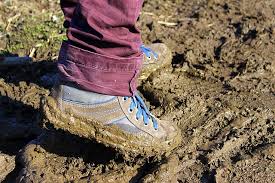
When you work outdoors, rainy weather conditions can pose a problem. Rain creates damp, wet, and muddy conditions, which can make certain tasks dangerous or even impossible to complete. When working construction, there are deadlines to meet and you may not always have time for the rain to slow you down. However, the health and safety of employees should always come first. If work areas are too muddy, some precautions will need to be put into place.
Hazards associated with working in or around muddy conditions
- Sprains and Strains
- Construction equipment overturning
- Slip, Trip and Falls
How to work safety in muddy conditions
- Know you surroundings
- Keep your area clean
- Watch where you are going
- Make preparations for those muddy areas
Make good decisions when it comes to muddy conditions
It’s easy to get comfortable with your job and push through certain situations. When you have been doing a job for a long time, you may get the urge to push through the issue. When it comes to mud, don’t! It is very important to always go back to your training and follow the best protocols. Risking equipment getting stuck or someone being injured is not worth it. That is why all operations should stop if possible when the weather is a problem and causes muddy conditions for you. If stopping is not possible, use best practices as outlined above. To avoid the situation altogether though, factor rainy weather and mud into your timeline.