WEEK 1 TOOLBOX TALKS- Common safety violations in Construction

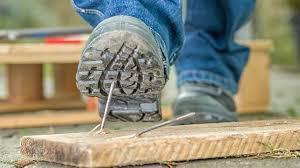
Accidents can happen anywhere, so it is important we be vigilant while on the job to ensure we do not become static, below are some items to keep an eye on;
- Not using proper PPE – Proper PPE keeps you safer and more protected while at work on the construction site. While PPE is your last line of defense, it is still important to wear and make a major difference.
- Not using caution when operating heavy machinery – Operating machinery at the right speeds and the way it was intended to be run is required for safety.
- Operating machinery that you are not authorized to operate – Proper training is needed for machinery to ensure you know how to operate it safely.
- Using broken equipment or equipment that needs maintenance – If machinery is broken or in need of maintenance, you should avoid using it until it is repaired.
- Not using safety equipment at all (Seatbelts, safety glasses, etc.) – Not wearing safety equipment at all can result in you being more grievously injured in the case of an accident.
- Performing tasks you are not qualified for – Proper training and certifications are needed to perform certain tasks. If you perform them without the right qualifications, you are risking harm to yourself and others.
- Poor housekeeping of the work area – Housekeeping in construction is essential. Dirty floors, cluttered work areas, and spills should always be cleaned promptly to avoid slips, trips, and falls.
- Not making emergency exits visible – All employees should know where emergency exits are, and the exits should be clearly marked.
- Too many workers In one area at a time – When there is congestion in the workplace, it can cause unsafe working conditions and a greater risk for injuries or accidents.
WEEK 2 TOOLBOX TALKS- LACK OF SLEEP

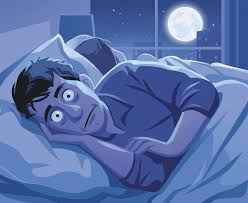
The importance of a good night’s sleep is often overlooked. Employees may think it’s okay to show up for work a little tired, but sleep is crucial to your personal safety, as well as the safety of your coworkers. Most people require 7.5-8.5 hours of sleep for every 24 hour day, and over half do not get the sleep they need each day. Sleep loss can build up over several nights and can be just as harmful as sleep loss in one night. It is important to keep yourself on a schedule and try to get the appropriate amount of sleep each night. Sleep deprivation can cause health problems like heart disease and cardiovascular issues and negatively impact your body’s reaction to insulin. It can also cause issues on a construction site like declining performance, slower reaction times, failure to respond to changes, and the inability to concentrate and make reasonable judgments.
How sleep deprivation affects your body
Cardiovascular system- When you are not getting enough sleep, it can affect the process that keeps your heart and blood vessels healthy. This includes those that affect your blood sugar, blood pressure, and inflammation levels. It also plays a very important role in your body’s ability to heal and repair the blood vessels in your heart.
Immune System- While you are sleeping, your immune system produces antibodies and cytokines. It uses these to fight off bacteria and viruses that attack your body. If you are sleep deprived, you are preventing your immune system from building up these defenses and you may not be able to fight off certain illnesses.
Tips for preventing sleep deprivation- The best way to make sure you are not experiencing sleep deprivation is to get an adequate amount of sleep each night. The recommended amount is 7.5-8.5 hours each night for most adults.
Other ways you can get back on a healthy sleep schedule include:
- Do not drink caffeine past lunchtime, or limit your intake
- Got to bed as the same time each night
- Wake up at the same time every morning
- Spend the hour before bed relaxing
- Exercise regularly
- Stick to sleep schedule even on weekends and holidays
WEEK 3 TOOLBOX TALKS- What is Dehydration


Construction workers are the athletes of the work world. And just like athletes, people working in the trades have a higher hydration requirement compared to someone working in an office setting. Dehydration in any setting negatively affects performance and can lead to injury. Here, we will explore what proper hydration is and how to prevent dehydration on the worksite.
What is dehydration?
We will start with the assumption that we are all healthy and have no underlying health issues increasing our hydration needs. Given this condition, dehydration happens when you lose more body fluids than you take in, essentially placing your body in a fluid deficit. In fact, studies have shown that just a slight decrease in bodily fluid levels, as little as 2%, can result in mental complications with short term memory.
Common signs and symptoms include:
- Feeling thirsty
- Dark urine
- Headache
- Dizziness or lightheadedness
- Muscle fatigue
- Confusion
- Poor skin turgor
- Elevated body temperature
A normal body temperature when healthy is 98.6 degrees Fahrenheit or 37 degrees Celsius. When your environment, activity level, illness, or a combination of these factors increase your body temperature, you will notice an increase in:
- Sweating
- Respiratory rate
- Feeling thirsty
- Dry mouth
These are all signs that your body is working harder to keep cool and prevent your temperature from getting too high. Unfortunately, when these signs occur, dehydration has already begun, meaning your body is in a fluid or water deficit and needs to be replenished.
WEEK 4 TOOLBOX TALK- High Hazard Activities

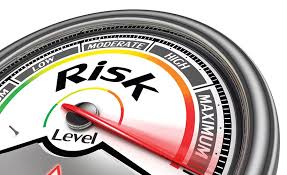
High hazard activities
There are major hazards on every construction jobsite. Most fatalities fall into these four categories:
- Falls
- Electrocution
- Struck-by/in
- Caught in/between
These four categories of hazards can be found almost anywhere on the jobsite. However, there are certain activities that these types of hazards are especially present in. They can include:
- Working at heights (falls)
- Working on energized equipment (electrocution)
- Working near overhead power lines (electrocution)
- Lifting and rigging (electrocution, caught-in/between, struck-by)
- Excavation work (caught-in/between, electrocution, struck-by)
- Confined space work (caught-in/between)
Use caution during high hazard activities
As with all other hazards on a construction site, using the proper planning and safety precautions as well as exercising awareness of your surroundings can make the site safer for you and others that are working with you.
The construction industry is full of many job hazards and it’s not easy to prevent every one of them. Staying aware of the dangers is the easiest way to prevent you or your coworkers from being injured while on a site.
When you are working on a high hazard task, make sure you are pre-planning your activities, understand the safety concerns with the task and any OSHA regulation that may be associated with said task, and make sure you know to stop the task if it gets too dangerous to complete. If you should have any questions with a safety concern or with a task you are about to do, please ask your supervisor or foreman.