Week 1 Toolbox Talk- Storing of hazardous chemicals

It is important that all chemicals on the job site or warehouse are stored properly, below are a few things to remember when storing chemicals
- Fire and Explosion- Incompatible chemicals, like oxidizers and flammables, can react violently, leading to fires or explosions. Improper storage near heat sources (sunlight, flames, sparks) can also pose a fire hazard
- Spills and Leaks- Unsecured or improperly sealed containers can leak, causing spills that can contaminate surfaces, cause slips and falls, and create inhalation hazards
- SDS Awareness– Provide access to Safety Data Sheets (SDSs) for all chemicals and train workers on how to read and understand them
- Proper Storage- Store chemicals in well-ventilated areas, away from heat, direct sunlight, and ignition sources, segregate incompatible chemicals according to their hazard class, use approved flammable chemical lockers to store chemicals, store chemicals in approved containers
- Inspect- Inspect all chemicals periodically to ensure no rust, missing labels and caps are in place. Remove any chemicals according to the SDS immediately
REMEMBER ANY CHEMICAL PURCHASED AND NOT READILY AVIALABE ON THE VSC SAFETY WEBPAGE NEEDS TO BE ADDED TO YOUR INVENTORY TO PREVENT AN OSHA CITATION
Week 2 Toolbox Talk- Work Stoppage/ Whistle Blower

VSC works to provide a workplace free of hazards by enforcing and ensuring team members are trained and educated. Team Members also understand when an unsafe condition is present and how to address. Below are a few things to remember when you come across an unsafe condition
- Stop working immediately and contact your Supervisor, VSC Safety Representative, and General Contractor/Customer then remove yourself until the hazard has been abated
- Take photos and provide information on who you spoke with
- VSC does not work around or on anything that is considered IDLH (Immediate Danager to Life and Health).
- All Team Members have the right to stop work in the event they fell a situation becomes unsafe, this is mentioned in the VSC Safety and Health manual
Whistle Blower Protection
All employees have the right to file a whistleblower complaint with OSHA if they believe they have been retaliated against for raising workplace health and safety concerns or for reporting work-related injuries and illnesses. No VSC Team Member will be retaliated against for advising management of an unsafety condition. Some examples of retaliating are including but not limited to (fired or laid off, Demoted, denying benefits, reducing hours).
Advise VSC Human Resources or Safety Representative if you fell you have been retaliated against.
Week 3 Toolbox Talk- Poor Housekeeping Hazards
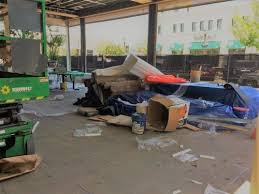
Housekeeping is a foundation for not only a safe workplace but also a productive one. When workplace housekeeping is poor, employees are more likely to be hurt on the job. The unsafe conditions present due to poor housekeeping practices are often a contributing factor or a direct cause of workplace injuries. How To Improve Situational Awareness
Poor Housekeeping
- Slip, trip, and fall hazards – One of the most common types of hazards created by poor housekeeping are slips, trips, and falls. When objects, materials, tools, and equipment are not properly stored, workers are bound to trip over them. Slippery conditions are created when water, moisture, oils, grease, etc., are left on the floor in work areas. Fall hazards are created when employees have to stand on makeshift surfaces to reach items stored at higher levels. Falls also occur when elevation changes are not properly marked or barricaded in work areas.
- Strain and sprain hazards – Sprain and strain injuries can result from slip, trip, and fall incidents. They can also occur when heavy items are not properly put away. When heavy or awkward objects are placed on the floor and need to be picked up by a worker, it creates a risk for injury. Too often, items have to be moved when there is improper housekeeping in a work area just for the sake of getting them out of the way. Because of unnecessary lifting, sprains and strains can occur.
- Laceration hazards – Whether you are working in a construction or manufacturing setting, there are plenty of sharp objects that can cut your hand or body. When items are not properly stored, this creates a huge risk of laceration injuries. Sharp tools, jagged metal, sharp-edged materials, etc., can all easily cut through a glove or clothing and injure a worker.-degree view of situations and show others the importance of doing so.
Week 4 Toolbox Talk- Heat Related Illness

We are starting to get into a time when the weather is getting warmer and if we are not ready, we can run the risk of receiving a heat-related illness. These are on the rise and can affect anyone wither they are working outdoors or indoors.
Knowing the signs and symptoms is the first way to prevent yourself from getting sick or even killed.
Heat cramps- Heat cramps are debilitating painful muscle cramps that are caused by working in a hot environment. They may start while you are working or up to a couple of hours after you leave that environment. The muscles affect are typically the ones being used the most, like calves, hamstrings, hands, or lower back.
Heat exhaustion- Heat exhaustion is the body’s response to an excessive loss of water, salt, and both. Left untreated, heat exhaustion can lead to heat stroke.
Symptoms of water depletion (or dehydration) include:
- Excessive thirst
- Headache
- Weaknesses
- Loss of consciousness
- Nausea
- Vomiting
- Muscle Cramps
- Dizziness
Heat stroke is the ultimate breakdown of the body’s temperature control system. It occurs when the body can no longer control its temperature, resulting in a rapid rise in body temperature that can cause organ damage, brain damage, and even death. Heat stroke is the most serious type of heat illness on the construction site because it is life-threatening. In non-lethal cases, heatstroke can still result in permanent disability, so it’s imperative that those suffering heat stroke symptoms receive emergency treatment.
Symptoms of heat stroke include:
- Fainting, High Body temp, Powerful headache, Lack of sweating, Vomiting and Confusion