Week 1 Toolbox Talk- Fatigue in Construction and Industrial Settings

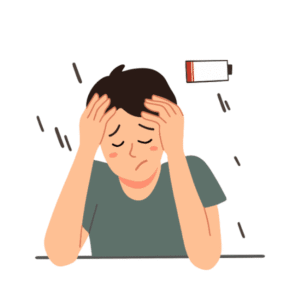
Olfactory fatigue, also known as nose blindness, is a common sensory occurrence where prolonged exposure to certain odors results in a decreased ability to detect them. This helps prevent overstimulation of the nervous system by filtering out constant background smells, allowing you to focus on new, potentially more critical ones. While this is a generally harmless process in everyday life, it can pose significant risks in construction and industrial environments where hazardous chemicals are present.
Hazards:
In construction and industrial environments, workers may be exposed to a variety of chemicals and gases that can pose serious health risks. Many hazardous chemicals have distinctive odors that are an early warning of their presence. However, olfactory fatigue can dull the sense of smell, making it difficult for workers to detect these potentially dangerous substances. When these chemicals accompany carbon monoxide, which does not have an identifying smell, olfactory fatigue can lead to a carbon monoxide exposure that may have otherwise been avoided.
For example, chemicals like chromium, iron oxide, nitrogen oxides, and carbon monoxide are often present in steel welding and cutting, common in building construction. A sprinkler fitter’s frequent exposure to steelwork can lead to olfactory fatigue, causing workers to become less aware of these harmful substances. This desensitization can be particularly dangerous if working in areas with poor ventilation, as workers may not smell the hazardous gases, increasing the risk of poisoning or respiratory issues.
Prevention:
Do not rely on the sense of smell alone. Keep a constant hazard awareness of your surroundings, paying particular attention to any hot work being done by other trades, and chemical placards and labels. Stop and ask questions before proceeding into the area to determine if there are hazardous gasses that need to be properly ventilated. Reach out to your Safety Manager for additional guidance whenever needed.
Week 2 Toolbox Talk- Brown Recluse Spider


The Brown Recluse Spider builds small retreat webs behind objects of any type.
Symptoms
- The severity of the bite may vary. Symptoms may vary from none to very severe.
- The bite generally becomes reddened within several hours.
- There is often a systemic reaction within 24-36 hours characterized by restlessness, fever, chills, nausea, weakness and joint pain.
- Tissue at the site of the bite and the surrounding area dies and eventually sheds.
Protection
- Wear a long-sleeved shirt, hat, gloves, and boots when handling stored boxes, firewood,
lumber and rocks, etc.
- Inspect and shake out clothing and shoes before getting dressed.
- Use insect repellants, such as DEET or Picaridin, on clothing and footwear.
Treatment
- Clean the bite area with soap and water.
- Apply ice to the bite area to slow absorption of the venom.
- Elevate and immobilize the bitten extremity.
- Seek medical attention.
Week 3 Toolbox Talk- Hand and Power Tools
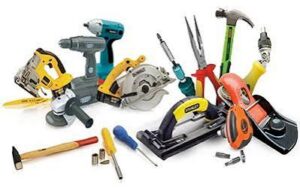
We have had an increase in hand and power tools this year ranging from improper handling, wrong tools for the job below are a few things to remember to keep you and your teams safe.
- Use the right tool: Never improvise (e.g., using a wrench as a hammer). Using tools outside of their design intent damages the equipment and invites severe injury. Using the wrong tool not only costs you time but will result in an injury. Never use a tool you have not been properly trained on, i.e. pipe threader improperly can result in serious injury like the loss of a finger.
- Inspect before use: Check for cracks, mushroomed heads on impact tools (like chisels or wedges), and splintered or loose handles. Tag and remove any defective tool from service immediately.
- Wear the correct Personal Protective Equipment: Use cut 2 resistant gloves whenever handling materials, wear ANSI approved safety glasses and shields while working over head for the potential for falling debris and potential for flying objects to get into eyes.
- Unauthorized Use: No one should be using a tool without the proper training and signed off from your foreman or supervisor. If you are not sure of how to use the equipment i.e. (power machine powered actuated tools) ALWAYS ASK AND DON’T ASSUME could be the difference between life and death or serious injury.
Week 4 Toolbox Talk- Slip Trip and Falls

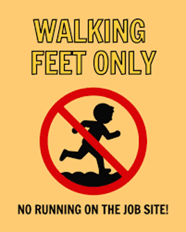
We have seen an increase in slip, trip and fall hazards ranging from drop offs from walkway landings and lighting areas which caused falls and from attics. Below are things to remember to keep yourself safe while walking.
PREVENTATIVE MEASURES
– Make sure there is good lighting
– Observe the area before walking into space to work
– Be aware of signage such as wet floor, material handling zone, storage area, etc.
– Avoid being distracted at work.
– Walk, DO NOT RUN
– Follow instructions and follow safety procedures for your protection.
– Report anyone you observe horseplaying on the job site.
Walking is an important part of life, not being able to walk properly can hinder your daily tasks and routines not just work but in your personal life. Take that extra time to watch and pay attention to your surroundings.