Week 1- Hand and Power Tools


Power tools are used in many industries and regularly by DIY enthusiasts. If people are not trained on how to use the tool correctly or do not follow manufacturer’s instructions, it may cause severe injury. All mechanical motion is potentially hazardous.
Basic Power Tool Safety
-
Maintain tools regularly, refer to the handbook for guidelines and frequency
-
Inspect before use and ensure it is sharp
-
Use the right tool for the job
-
Always use guarding
-
Cut away from yourself
-
Use the right Personal Protective Equipment (PPE)
Precautions To Take
-
Remove any damaged tools and tag them “Do Not Use”
-
Inspect guards and safety devices before using the tool, check if guards move freely
-
Keep guards in place and do not remove them
-
Always use the proper attachments e. grips and handles
-
Remove blades and batteries on battery operated tools
-
Disconnect any tools from the power source when not in use and if it is plugged into power it should
-
Keep your work area clear of debris to prevent slips and trips
-
Keep cords and leads away from sharp edges and heat
-
Don’t wear loose clothing and if you have long hair, keep it tied up as these may get entangled in the tool
-
Do not use power tools on asbestos containing materials unless correct controls and approvals are in place
PPE should also be fitted correctly to reduce exposure risk.
-
Injuries That Could Occur
-
Electric shock
-
Amputation of a body part
-
Hand and eye injuries
Week 2- Asbestos Awareness
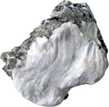
Asbestos is a naturally occurring mineral fiber that has been used commonly in a variety of building construction materials. Due to the materials properties – fiber strength, insulation, fire-retardant, and chemical resistant, asbestos has been used for a wide range of manufactured goods and building materials, such as friction products, gaskets, coatings, and thermal system insulation, etc. When asbestos-containing materials are damaged or disturbed, microscopic fibers become airborne and can cause significant health problems if inhaled into the lungs. At a federal level, OSHA and EPA set standards for worker protection, asbestos in school buildings, and the manufacturing/commerce of asbestos containing materials
Identifying asbestos
-
Non-Friable, any material that when dry, cannot be crumbled, pulverized, or reduced to powder and is not capable of being released into the air by hand pressure. Includes transite, roof and floor materials.
-
Friable, any material that when dry, can be crumbled, pulverized, or reduced to powder or capable of being released into the air by hand pressure. Includes pipe, fitting, and duct insulation, applied ceilings, fireproofing, and paper wrap (pipes & ducts).
-
Surveys and sampling of building materials are conducted by third party Environmental consultants for determination of asbestos containing material
-
Any time you believe you are working around or have disturbed Asbestos it is important you stop work immediate and contact your supervisor and safety department.
Routes of exposure and health effects
-
The primary route of asbestos exposure is through the inhalation of fibers into the lungs which can lead to cancer, scarring, and chronic inflammation, especially when combined with
-
The secondary route is through fluid ingestion; this can lead to cancers of the esophagus,
stomach and intestine.
Asbestos abatement
-
Only licensed asbestos abatement contractors can remove asbestos containing
-
Asbestos abatement is performed using specialized work practices and controls to protect building occupants and workers.
-
VSC Fire and Security does not conduct any type of abatement for asbestos
Week 3- The “Why for What” needs done

Employees at many companies are given directions to what needs to be done that workday and nothing further. They may not understand why something is done a certain way or why do it in the first place. It is important to take the time to explain the “WHY” along with the “WHAT” during work tasks when it is appropriate. By doing so, it often results in employees being able to make more informed decisions that results in a safer and more efficient work environment both in the present moment and in the future
Defining the “WHY”
The “WHY” of a work task or the process of completing it refers to the explanation of the reasoning behind why something is done a certain way. Telling someone WHAT to do is the most basic step in giving instructions. Going on to explain the WHY behind the WHAT gives the individual a learning experience that can be applied to not only that situation but also to other situations later on in their career.
Help Others Understand the “WHY”
You do not have to be a supervisor to help explain work tasks to other employees if you understand a work process and have experience with it. Take time to mentor other coworkers when you have the opportunity to do so. There are many different situations that come up in a workplace each day that may require explaining the WHY to a coworker.
Situations When the “WHY” Should be Explained
-
An employee is new to a work
-
An employee does not understand why certain mitigation actions or safeguards are put into place prior to starting a work task.
-
A job step or series of job steps may be different than previously
-
Not every single decision, action, work task, , needs the WHY explained every time, but there are many times when it should be explained.
Why it is Critical to Explain the “WHY”
When employees understand why something is done as opposed to just what needs to be done, they can begin to make informed decisions going forward. Explaining the thought process behind why a certain decision is made or why a certain action is taken during a work process allows the employee to use that information in other situations.
Week 4- The three type of poor housekeeping hazards