Week 1 Toolbox Talk- Taking Ownership of Safety

Safety is one of the most important things to think about when on the job site. All workers should be able to recognize and identify common hazards, to recognize a hazard and to take ownership of the hazard are two different actions. If you recognize a potentially dangerous situation but don’t intervene to resolve it, your inaction could result in a serious injury to yourself or another person. Don’t be the person who says, “Oh, I noticed that issue earlier, and I knew someone would end up getting hurt”.
Different situations that can arise
Construction is risky work. That’s one reason it is so important to keep construction sites clean and organized. When tools, equipment, and other items are left out and, in the way, people may get hurt or seriously injured.
Some examples of hazards that could cause harm to workers due to clutter or disorganization are:
- Tools left out and getting tripped over
- Equipment not properly parked out of the way
- Materials left laying out leading to trip hazards
There are many steps that can be taken to make sure everyone is working efficiently and safely, including:
- Supervision – When workers are unsupervised, they sometimes try to cut corners. This doesn’t always result in an injury, but it does increase the risk.
- Inspection – Inspections of tools and equipment should be conducted routinely. This will decrease the chance of a worker using broken or damaged items, decreasing your risk of injuries.
- Communication – When crew members communicate frequently and share information on safe practices or hazards encountered on the jobsite, it creates a safer working environment.
Week 2 Toolbox Talk- Utility Vehicles

Utility vehicles, also known as UTVs, are used on many construction sites today for the transportation of small loads of tools and materials. These vehicles come in many makes and models. While UTVs are convenient and can help improve productivity, it is vital that they are used safely. The Consumer Product Safety Commission (CPSC) reported 49 fatalities caused using UTVS in 2019 this number has since doubled. Many fatalities are caused by rollover crashes.
When it comes to UTVs, having the right tool for the job means being sure you have a work-appropriate UTV and not a recreational all-terrain vehicle (ATV). The difference between the two is easy to see, as the recreational version will not come equipped with a cargo bed in the rear.
UTV safety and best practices: When it comes to UTVs, having the right tool for the job means being sure you have an appropriate UTV and not a recreational all-terrain vehicle (ATV). The difference between the two is easy to see, as the recreational version will not come equipped with a cargo bed in the rear.
UTV will also typically include the following features:
- Rear cargo bed with tie-down cleats
- 25 MPH max speed
- Balloon tires
- Seats for multiple people
- Low gears for power/weight
- Head and tail light
Before you drive:
Always follow the manufacturer’s recommended maintenance schedule to keep the vehicle in the best and safest shape possible. Proper training with a safety advisor, or at least another experienced UTV driver, is highly recommended before using UTVs on the construction site.
Week 3 Toolbox Talks- Rationalizing Unsafe Choices
To keep everyone safe at work, you need to make safe choices. For many, following protocol and safety precautions can be difficult. Not because they’re stubborn or want to break the rules, but because they may feel they can get things done faster another way.
Safety rules and precautions are put into place for a reason, and they need to be always followed to the best of your ability. Making excuses and taking shortcuts doesn’t help anyone and sets a dangerous precedent for other workers on the jobsite.
Reasons we rationalize unsafe choices
When you begin a job, all the rules and regulations are laid out for you. There are likely signs and posters demonstrating the way you’re expected to perform your job, and showing what to avoid. On construction sites, there are many hazards and dangers that can occur, making it even more important to practice safety and follow protocol. There are many reasons people chose to perform a task in a different way than has been advised. You may think that you can do it faster if you skip a step or two.
Lack of supervision- When supervisors, managers, or the person in charge are not around, people may try to cut corners. This is a big mistake. Regardless of whether or not your supervisor is around, all safety rules and precautions should be followed.
Everyone else does it- There are many times that you may see other employees skipping steps or not wearing their safety gear on the job. That doesn’t mean it’s alright for you to do the same thing. Whether your supervisor or manager enforces the rules on the job or not, you have the choice to do what is right. Just because “everyone else does it,” doesn’t mean you have to make the same unsafe choices.
What can happen when unsafe choices are made?
- Someone could fall from a high surface
- Someone could get hit in the head from falling supplies
- Someone can get caught in a piece of machinery
- Someone could fall off of a piece of equipment
- Someone can get struck-by heavy equipment
Week 4 Toolbox Talk- Fire Extinguisher
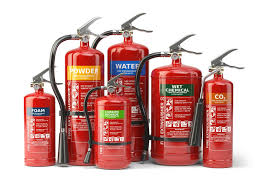
When a fire breaks out, the correct use of a fire extinguisher can be the difference between a minor loss or a major loss. In this toolbox talk, we’ll cover proper fire response, the different classes of fires, how to use a fire extinguisher, fire extinguisher limitations, and inspections. If the fire is quickly getting out of control, or you do not know what material is burning or how to properly use a fire extinguisher, you should instead evacuate the work area immediately as well as calling 911. Do not enter a building that is on fire under any circumstances.
Class A
Class A fires involve ordinary combustibles such as paper, wood, cloth, rubber, or plastics. Common extinguishing agents for this class are water or dry chemicals.
Class B
Class B fires involve flammable liquids, grease, or gasses. Common extinguishing agents are foam, carbon dioxide, or dry chemicals.
Class C
Class C fires are live electrical fires. Sometimes when fires start this way, a class A combustible may also be involved. However, only a dry chemical extinguisher should be used to extinguish all class c fires. Never use water.
Class D
Class D fires involve combustible metals such as magnesium and sodium. Special extinguishing agents are needed to extinguish class D fires.
P.A.S.S. method
P- Pull the pin
Hold the extinguisher away from your body and release the locking mechanism.
A- Aim
Aim the stream towards the base of the fire. Do not aim at smoke or flames, as this will not put the fire out.
S- Squeeze
Make sure you squeeze the lever slowly and evenly. If you pull the lever too fast you could shoot the stream where you are not intending and waste valuable fire-fighting agents.
S- Sweep
Be sure to sweep the nozzle side to side at the base of the fire to combat and extinguish the fire.