
Week 1 Toolbox Talk- Impact on personal and company security: Locking our Vehicles


Why it matters:
Theft of belongings: Unlocked vehicles are easy targets for thieves looking to steal electronics, tools, personal items, or anything else of value that may be left inside. This can include items left in plain sight or even tucked under seats.
Vehicle theft: Leaving the keys in the ignition or inside the vehicle, even for a moment, is a major factor in vehicle thefts. Many vehicles are stolen simply because they are unlocked and accessible.
Security of personal information: Vehicle registration and insurance documents, often kept in the glove compartment, contain personal information that can be used for identity theft.
Simple steps to protect ourselves and our company
- Always lock your doors and close your windows, even if you are leaving your vehicle for a short period.
- Remove or hide valuables to make your vehicle less appealing to potential thieves. Even loose change or a charger can be tempting targets.
- Never leave your keys in the ignition or inside the vehicle, and secure your key fob, storing it in a signal-blocking pouch or metal tin to prevent signal amplification if necessary.
- Park in well-lit, busy areas with good visibility, preferably with security cameras.
- Consider using additional security devices like steering wheel locks or car alarms.
Week 2 Toolbox Talks- Attic safety


Hazards of Working in an Attic
- Falls: The primary hazard is falling through the floor or from the attic opening, often from stepping on exposed ceiling drywall or insulation.
- Heat and Dehydration: Attics can get extremely hot, especially in summer, leading to heat stress, confusion, and poor decision-making.
- Respiratory Irritants: Dust, insulation fibers, and other airborne particles can irritate the respiratory system and skin.
- Sharp Objects: Protruding nails, damaged wires, and other sharp objects can cause cuts or punctures.
- Pests: Attics can harbor insects, pests, or even large animals, creating hazards.
- Electrical Hazards: Damaged or exposed electrical wiring poses a risk of electrocution.
Safety Practices
Personal Protective Equipment (PPE):
- Wear long sleeves and pants to protect your skin from insulation and irritants.
- Wear safety glasses to protect your eyes from debris.
- Use slip-resistant shoes.
Lighting and Visibility:
- Ensure the attic is well-lit before entering.
- Use a headlamp or portable work light to see clearly and prevent accidents.
Safe Walking:
Never step blindly into insulation.
- Ensure a walking platform is used, VSC employees do not walk on joist or trusses
- Fall Protection is required when working at heights of six’ or great to a lower area
Temperature Control:
- Work in the attic during cooler parts of the day, such as the early morning in hot weather as well as Hydrate by drinking water before entering and during your work.
Week 3 Toolbox Talks- Take Ownership of Safety


Safety is one of the most important things to think about when on the job site. All workers should be able to recognize and identify common hazards. You should also be aware of the various ways to mitigate these hazards, including by taking ownership.
Taking ownership versus recognizing hazards
To recognize a hazard and to take ownership of the hazard are two different actions. If you recognize a potentially dangerous situation but do not intervene to resolve it, your inaction could result in a severe injury to yourself or another person. Do not be the person who says, “Oh, I noticed that issue earlier, and I knew someone would end up getting hurt”. As soon as you see a problem onsite, take ownership and take the proper steps to correct it to help protect yourself and your coworkers.
Failure to manage responsibly
As soon as possible, notify your supervisor of any hazardous situation you identify. If you bring an issue to your supervisor’s attention. Supervisors are human, just like everyone else, and they may forget about the hazard. Follow up to check progress and remind them if the hazard is still present. reminder, escalate the issue to someone else. Find a different supervisor, contact your safety manager, or reach out to the next person in charge.
Reasons ownership is not taken
There are many reasons that an employee may not want to take ownership of a hazardous situation. They may be afraid they will be blamed for the hazard, or they may fear they will face repercussions from fellow employees who are involved, because they brought attention to someone else’s faults. Do not let those fears hold you back from doing the right thing. When you bring attention to a hazard, you are not pointing fingers. It is about making sure the job site is a safe environment for all crew members present.
What taking ownership means
Taking ownership of a situation at work is about not waiting for someone else to step in. If you see a harmful situation occurring, take care of it immediately. Do not wait! Prompt resolutions protect you and your coworkers.
Week 4 Toolbox Talk- Extension Cord Safety

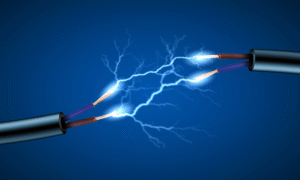
On the construction site, there are many different hazards that pose a threat to your safety and the safety of those around you. Electrical hazards are not different
Here are some relevant injury statistics pertaining to extension cords:
- About 4,000 injuries resulting from extension cords are treated in hospital emergency rooms each year. Not all are electrical injuries. Half of these injuries involve fractures, lacerations, contusions, or sprains from people tripping over extension cords.
- Roughly 3,300 home fires originate from extension cords each year, killing fifty people and injuring about 270 more.
Here is what to avoid when working with extension cords:
- Do not plug one extension cord into another unless it is allowed by the manufacturer. (Daisey Chain)
- Never let an extension cord sit in water or snow.
- Never run extension cords through walls or holes in a ceiling.
- Do not remove the ground prongs of an extension cord and do not use a cord if it is missing a ground prong.
- Do not use indoor cords outdoors.
- Never cover extension cords with rugs or carpet.
- Do not place cords in a walkway where they can be tripped over.
- Do not use extension cords in place of permanent wiring.
How to use extension cords properly:
- Inspect cords prior to use. Look for broken prongs as well as damage to the protective cover that encapsulates the wires inside the cord.
- Only use extension cords that have gone through independent testing such as by the Underwriters Laboratory. These cords will have a “UL” marked on them.
- Place cords out of the way and out of conditions that could result in electrocution or damage to the cord.